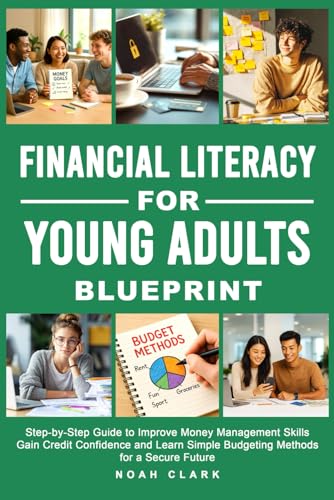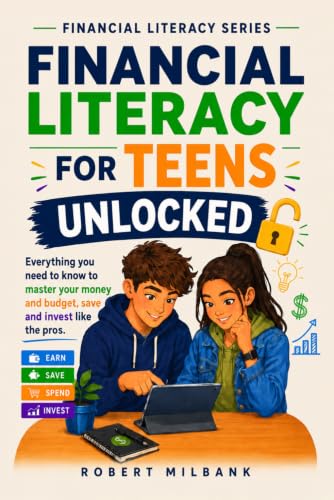
Why Financial Learning Belongs in Childhood
Financial literacy begins long before a child earns a first paycheck. Young children can start learning important money concepts through simple conversations, play, and everyday routines. When parents and educators introduce ideas such as earning, saving, spending, and sharing early, children gain a foundation for making thoughtful decisions later in life.
For children ages three to ten, lessons should be practical, visual, and engaging. A savings tracker can help a child understand progress toward a goal, while a coin recognition activity turns basic identification into an interactive challenge. These small experiences make unfamiliar concepts easier to understand and remember.
Making Money Lessons Fun and Practical
Children learn best when education feels connected to their world. Families can create a pretend shop, give children a small responsibility during grocery shopping, or use a reward chart to discuss choices and priorities. Games, printable activities, and storytelling can transform abstract financial ideas into moments children enjoy.
It is also helpful to use clear, age-appropriate language. A preschooler might practice sorting coins or choosing between two options, while an older child may track savings, compare prices, or plan a simple budget. The goal is not to make children responsible for adult financial concerns, but to help them develop confidence and good habits.
Supporting Parents, Homeschoolers, and Educators
Consistent guidance makes financial education more effective. Parents can introduce one concept at a time and revisit it during ordinary activities. Homeschool families may incorporate money into mathematics, reading, and life-skills lessons. Educators can use classroom games and worksheets to encourage collaboration, decision-making, and problem-solving.
Resources designed for diverse families should be welcoming, accessible, and easy to use. With supportive tools and positive conversations, children can begin to see money as something they can understand rather than something mysterious or intimidating.
Growing Skills for the Future
Teaching children about money is an ongoing process. Each conversation, activity, and real-life example contributes to stronger financial habits. By making learning playful and practical, adults can help raise thoughtful, capable children who are prepared to make wise choices as they grow.